


Why ADHD Often Goes Unnoticed in Women
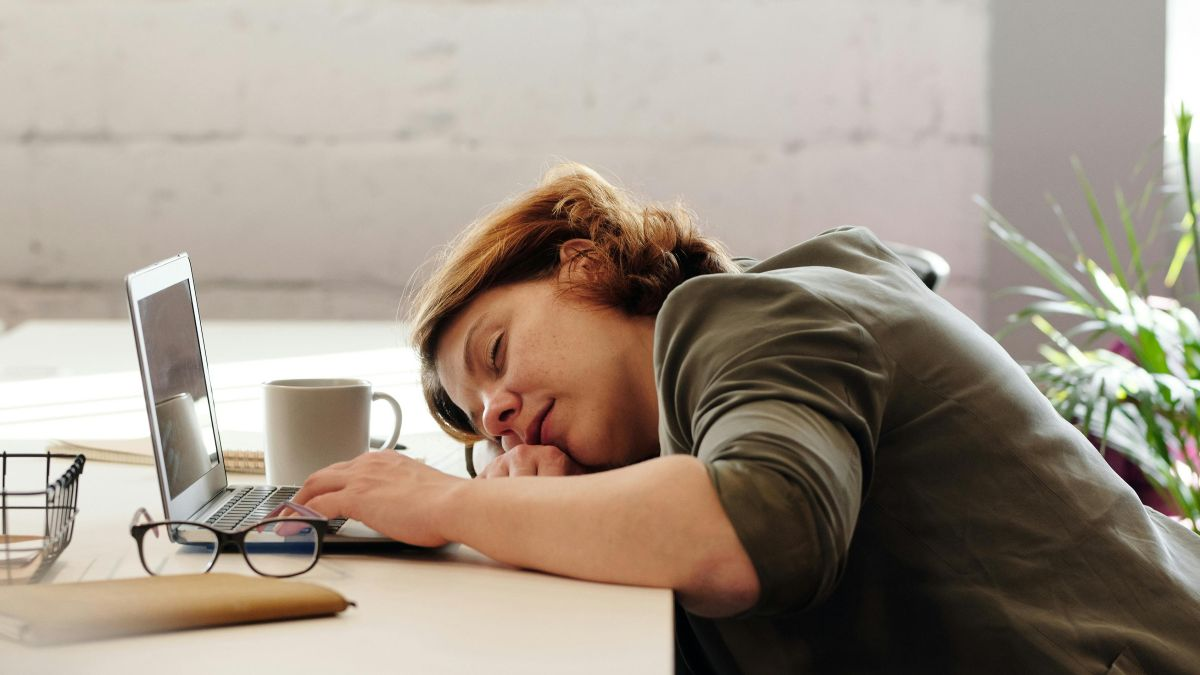
ADHD is usually linked to hyperactive boys who struggle to sit still or stay focused in school. But many women live with ADHD too. The difference is, their symptoms are often missed or misunderstood. While the condition affects both men and women, the signs in women can look very different, leading to years of confusion or incorrect diagnoses.
This article looks at why ADHD in women is often overlooked, how the symptoms appear, and what can be done to get the right help.
How ADHD Has Traditionally Been Understood
ADHD, or Attention-Deficit/Hyperactivity Disorder, is a brain-based condition that affects attention, activity levels, and impulse control. Most of what we know about ADHD comes from studies on boys. That’s why the typical image of someone with ADHD is often a child who blurts things out and struggles in class.
But ADHD doesn’t show up the same way in everyone. It can show up in different ways depending on the person. The DSM-5, which doctors use to diagnose mental health conditions, breaks ADHD down into three types:
- Inattentive type: trouble focusing, forgetfulness, and disorganization
- Hyperactive-impulsive type: fidgeting, talking too much, acting without thinking
- Combined type: a mix of both
In boys, the traits are more noticeable, and these are easy for teachers or parents to spot. In contrast, girls often show quieter symptoms, which can be harder to notice and easier to mislabel as something else.
Why ADHD Is Often Missed in Women
Several reasons explain why ADHD can go undiagnosed in women. These include how society expects women to behave, how their symptoms show up, how hormones affect brain function, and how other mental health issues can overlap with ADHD.
- Pressure to “Behave”
From a young age, girls are often taught to be calm, tidy, and polite. Because of this, many girls learn to hide signs of ADHD. Instead of acting out, they may keep their struggles inside. This can show up as anxiety or low self-confidence. As adults, women are expected to keep up with multiple responsibilities at work, at home, and in relationships. Many do their best to meet those demands, often masking their ADHD symptoms even more.
This constant effort to keep everything together can lead to exhaustion. But because they appear “put together” on the outside, the real problem often goes unnoticed.
- Different Symptoms Than Men
ADHD in women often presents in less obvious ways. Rather than being disruptive, women may:
- Lose focus easily or forget details
- Struggle to stay organized
- Seem spaced out or distracted
- Feel restless or unable to relax
- Interrupt during conversations or speak without thinking
- Experience intense mood changes or feel emotionally overwhelmed
- Have trouble managing time or finishing tasks
These signs are often mistaken for stress, anxiety, or even personality traits. As a result, many women are told they have depression or another condition when ADHD might be the root cause.
- The Role of Hormones
Hormonal shifts throughout a woman’s life can make ADHD symptoms stronger or more noticeable. Estrogen affects brain chemicals like dopamine, which play a role in attention and motivation. When hormone levels change, ADHD symptoms can change too.
- Puberty: ADHD symptoms can start or get worse during puberty, but they’re often mistaken for normal teen behavior.
- Monthly cycle: In the days before a period, many women notice a drop in focus or mood stability.
- Pregnancy: Some find relief from symptoms during pregnancy when estrogen is high, but things often return or worsen after giving birth.
- Perimenopause and menopause: Lower estrogen levels during this stage can bring back memory problems, poor focus, and emotional ups and downs. These are often seen as signs of aging, not ADHD.

When ADHD hides behind the daily routine.
Many women seek help for mood swings or brain fog during these times but never get evaluated for ADHD.
- Other Conditions Can Hide ADHD
Women with ADHD often live with other mental health issues too. Anxiety, depression, and eating disorders are common. When a woman goes to a doctor feeling anxious or overwhelmed, the focus usually stays on those symptoms. Unless someone looks deeper, ADHD might never be considered.
For example, a woman might be given medication for anxiety. But if her anxiety is being fueled by untreated ADHD, the core problem remains. Over time, this leads to more frustration and little relief.
The Cost of Missing the Diagnosis
Going years without the right diagnosis can affect many parts of life. When ADHD is missed, women may deal with:
- Constant stress from struggling with daily tasks
- Low self-worth from feeling like they’re always falling behind
- Challenges in relationships due to mood swings or communication problems
- Career setbacks because of missed deadlines or disorganization
When treatment doesn’t target the real issue, it rarely works. Women may feel hopeless or stuck, thinking they are just bad at handling life. In reality, they may have been dealing with untreated ADHD all along.

When focus feels impossible, it’s more than distraction.
Getting the Right Help
If you think you might have ADHD, or you recognize these signs in someone close to you, it’s important to talk to a healthcare provider who understands how ADHD shows up in women. A full assessment should include questions about your symptoms, your history, and input from people who know you well.
Getting diagnosed can change your life. Once you know what’s going on, you can find support that works. This might include medication, therapy, coaching, or small changes in your routine to help you manage better.
Final Thoughts
Because of social expectations, hormone changes, and overlapping mental health conditions, many women go undiagnosed for years. But that doesn’t mean they have to keep struggling in silence.
With more awareness and better understanding, more women can get the help they need. The first step is knowing that ADHD doesn’t always look the same and that it’s okay to ask for answers.
At The Practice Poly Clinic, our specialists take the time to understand your unique symptoms and history. We offer thorough evaluations and personalized treatment plans to help you manage ADHD with confidence. If you think you might be living with ADHD or have questions about diagnosis, get in touch with our team today. We’re here to help.
Articles You Might Like

As the skin ages, it naturally starts to lose collagen and elastin, resulting in looser and sagging skin. Collagen and elastin are known as the building blocks behind firm and youthful skin. Skin becoming loose and saggy is a very...

One of the biggest trends in the beauty industry today are treatments that eliminate signs of aging. Nowadays, these treatments that offer skin rejuvenation without surgeries are becoming increasingly popular and people often find themselves confused between two treatments specifically;...

The aesthetics industry has evolved heavily as people have started turning to treatments to rejuvenate their skin. Many clinics offer a large variety of skin rejuvenating treatments and recently, IV drip therapy has been gaining popularity. IV drip therapy is...

One of the most popular orthodontic treatments for getting a straighter, healthier smile is braces. Whether you are someone who is insecure about misalignment in your teeth, or you are a concerned parent with children who have crooked smiles, braces...

A good, aesthetically pleasing smile is the key to living a confident lifestyle. It is often said that the smile is the window to the soul and it can have a powerful impact on how you perceive yourself, how you...
Subscribe to blog via email
Signup now to receive our monthly blog
Articles you might like
The Best Skin Tightening Treatment: Morpheus8 Explained
As the skin ages, it naturally starts to lose collagen and elastin, resulting in looser and sagging skin. Collagen and elastin are known as the building blocks behind firm and youthful skin. Skin becoming loose and saggy is a very...
Articles you might like
Skin Booster Vs Filler: What’s The Real Difference?
One of the biggest trends in the beauty industry today are treatments that eliminate signs of aging. Nowadays, these treatments that offer skin rejuvenation without surgeries are becoming increasingly popular and people often find themselves confused between two treatments specifically;...
Articles you might like
Is IV Drip Therapy Worth It? Benefits, Costs And What To Expect
The aesthetics industry has evolved heavily as people have started turning to treatments to rejuvenate their skin. Many clinics offer a large variety of skin rejuvenating treatments and recently, IV drip therapy has been gaining popularity. IV drip therapy is...
Articles you might like
Braces Maintenance And Care: Everything You Need To Know
One of the most popular orthodontic treatments for getting a straighter, healthier smile is braces. Whether you are someone who is insecure about misalignment in your teeth, or you are a concerned parent with children who have crooked smiles, braces...
Articles you might like
What Is A Smile Makeover? A Complete Guide
A good, aesthetically pleasing smile is the key to living a confident lifestyle. It is often said that the smile is the window to the soul and it can have a powerful impact on how you perceive yourself, how you...
Articles you might like
Lip Fillers In Dubai: What To Expect?
Many people these days are looking for ways that they can enhance their features and achieve aesthetic fullness to their face. Lip fillers have been a popular cosmetic alteration for people who want to enhance their features naturally. If you...

Articles you might like
A Complete Guide to Mesotherapy Injections
Are you struggling with achieving the youthful glow your skin once had? Or are you worried about your hair thinning? As you age, your body goes through many changes that affect your overall appearance. Your skin may start showing signs...

Articles you might like
Getting A Dental Crown: Is It Worth It?
A healthy smile is seen as a reflection of one’s confidence and hygiene. But when a tooth becomes damaged or worn out, restoring your smile can become more than just a cosmetic decision. It is a necessity for the function...

Articles you might like
Your Guide To Dermal Filler Injections
Aging gracefully doesn’t mean losing your glow. Thanks to modern aesthetics, dermal filler injections make it easier than ever to restore youthful volume and refresh your skin, all without surgery. Whether you’re looking to enhance your lips, smooth wrinkles, or...

Articles you might like
The Secret to Glowing Skin and Hair
Introduction What if your own blood held the secret to glowing skin and thicker hair?That’s exactly what PRP treatment in Dubai offers – a natural rejuvenation therapy that uses your body’s healing power to renew your skin and restore your...

Book An Appointment
Please provide your details below and member of our team will be in touch shortly
