


Braces Maintenance And Care: Everything You Need To Know
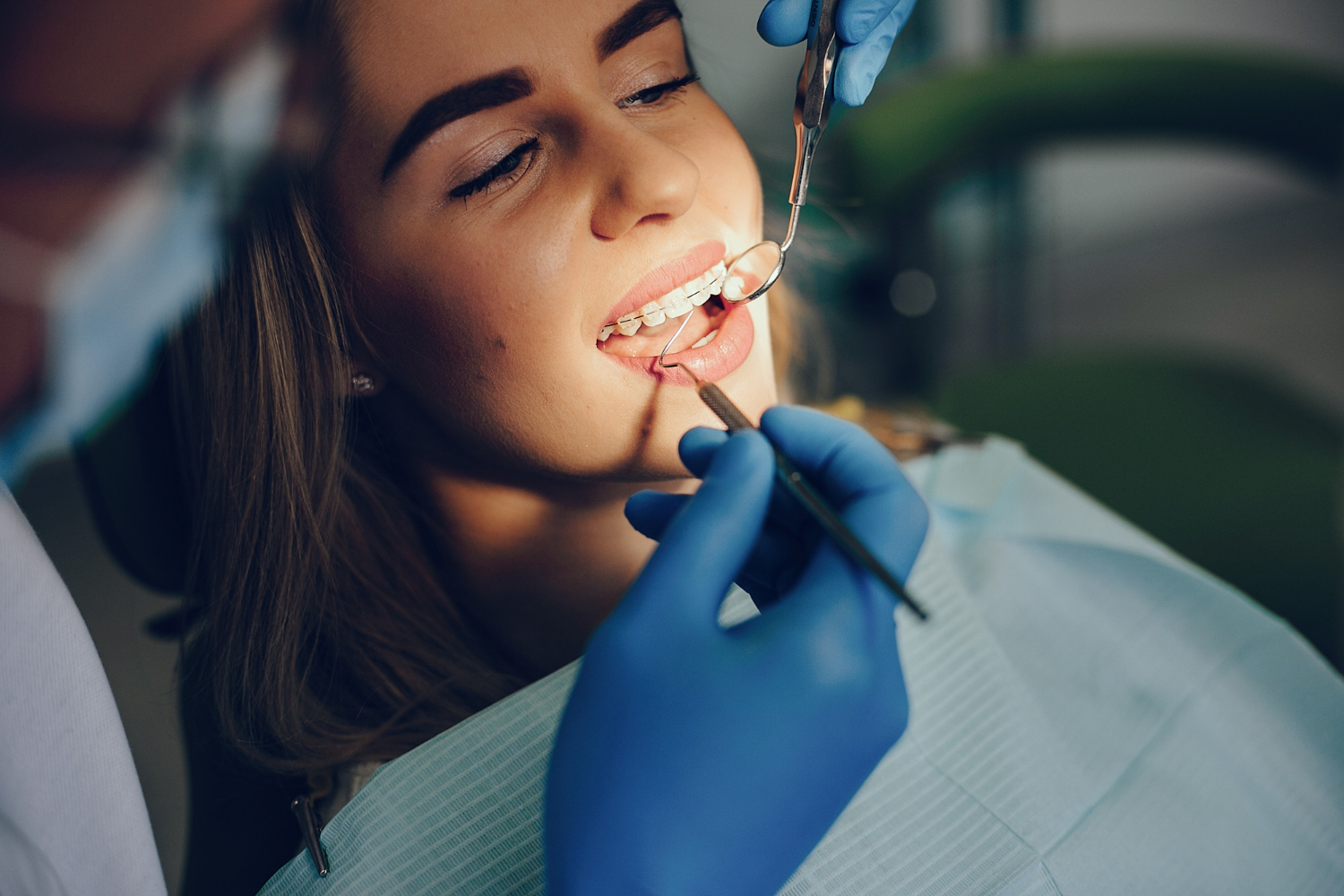
One of the most popular orthodontic treatments for getting a straighter, healthier smile is braces. Whether you are someone who is insecure about misalignment in your teeth, or you are a concerned parent with children who have crooked smiles, braces are a universal treatment meant for children, teens and adults.
However one misconception of braces is that people often overlook how important it is to keep a close eye on your braces’ maintenance and care. People often get braces and think it is okay to forget they are there.
The reality is that braces require a lot of after care, during the treatment and even after you are done with the treatment. This article will delve into a deep discussion about braces, how they work and how to make sure you are maintaining and caring for them well.
What are Traditional Braces?
Traditional braces rely on fixed metal or ceramic brackets. These brackets are bonded to the surface of your teeth and are connected through wires.
The wires aid in pushing your teeth into place. Traditional braces require multiple check ups to adjust the wire and keep the alignment process consistent.
Braces are usually used to treat more severe cases of teeth crowding. They are used to get rid of larger gaps in your teeth and fix severe bite issues like overbites and underbites.
Types of Braces
As orthodontic treatments have evolved significantly over the years, patients are offered multiple options in braces based on their needs and preferences.
Traditional braces are the most common braces that are offered but apart from these, there are some other options also offered that fit the needs of the patient and deal with certain concerns.
Ceramic Braces
Ceramic braces function the same way as metal braces but instead of the metal brackets, they use tooth coloured or clear brackets that blend in with the teeth.
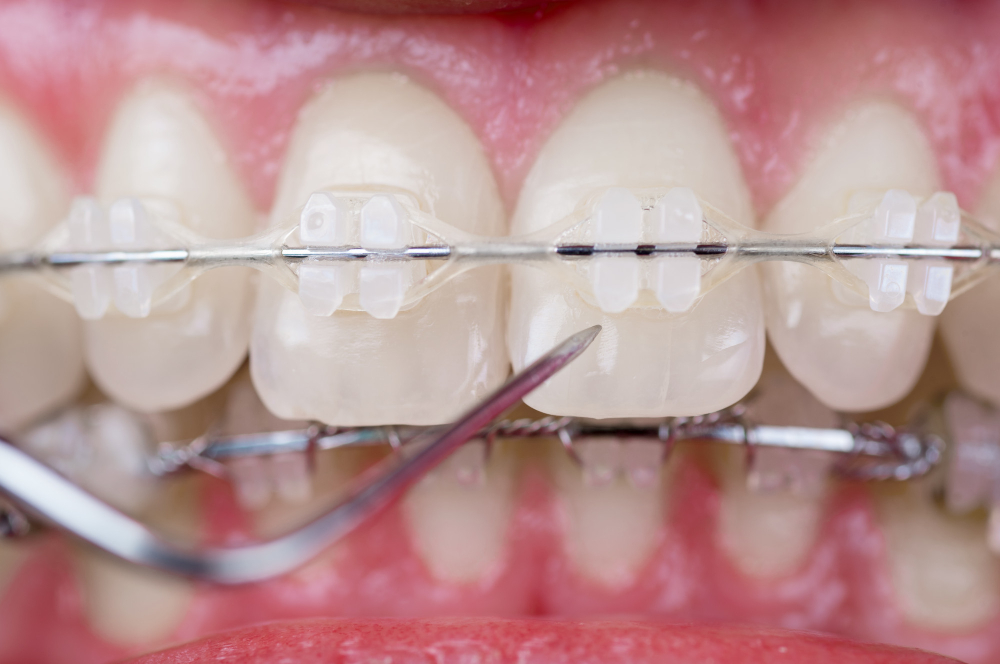
These are best for patients seeking more discreet and less noticeable options in treatment.
Self-ligating Braces
These braces use a built-in mechanism instead of elastic bands to hold the wire in place. They are best for patients who want lesser visits to the orthodontist. They have faster, more comfortable adjustments.
Clear Aligners
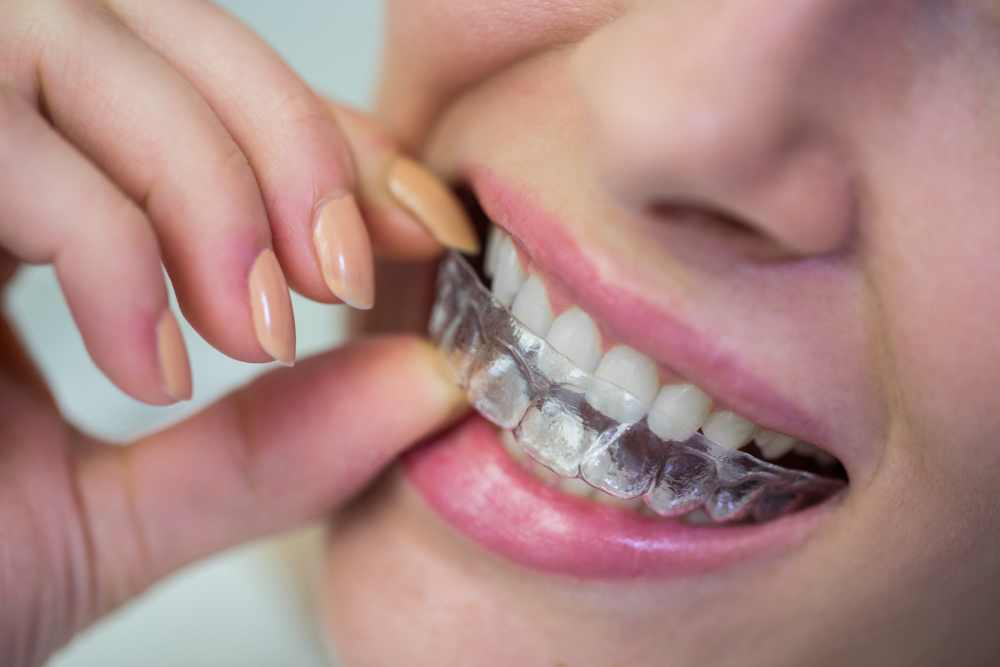
Aligners are not braces, but they are often compared to braces as an orthodontic option. They consist of completely invisible or clear brackets that are not noticeable and are removable which gives patients more freedom
Benefits Vs Risks of Braces
Benefits of Braces:
- Braces have an extremely effective treatment, especially for severe cases of bite issues.
- The constant pressure from the brackets and wires ensure consistent treatment, even if minor adjustments aren’t made.
- You have the option to choose between metal or ceramic brackets to fit your aesthetic preference.
- They are more cost-effective than other treatments like invisalign.
Risks of Braces:
- Braces are visible and can affect your appearance.
- Metal brackets can cause irritation and soreness.
- Braces require proper care and precise oral hygiene.
- They have a longer treatment time as compared to treatments like invisalign.
Process of Getting Braces
Getting braces is a step by step process, designed to ensure safe, effective and long-lasting results. Understanding what happens at each step helps patients be more prepared for what is to come and it helps them feel more confident.
Initial Consultation
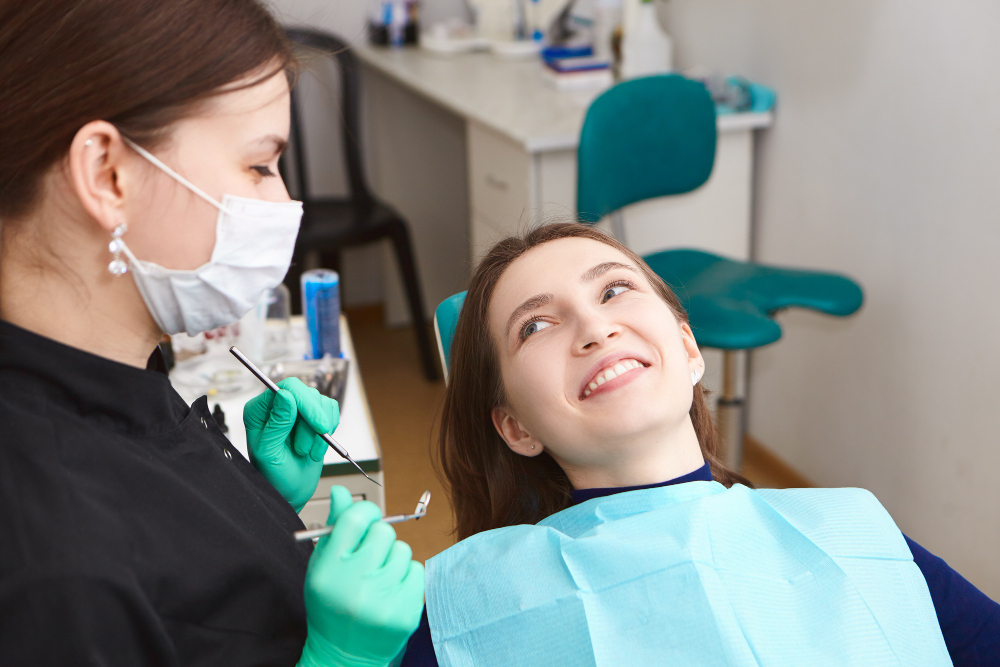
The first step to getting braces is having a proper consultation. During this visit, the orthodontist examines your teeth, bite, and jaw alignment. Digital X-rays, photographs, and dental impressions or scans may be taken to assess the severity of misalignment and determine whether braces are the most suitable treatment option.
Treatment Planning
Getting braces is extremely personalized. The dentist after examining your teeth will create a customized treatment plan. This plan outlines the type of braces recommended, estimated treatment duration, and expected outcomes. Patients are also informed about care requirements, costs, and follow-up visits before proceeding.
Teeth Preparation
Before braces are placed, the teeth must be clean and healthy. Any cavities, gum issues, or dental concerns are addressed beforehand. In some cases, spacers may be placed between teeth to create room for bands, making the fitting process more comfortable.
Braces Placement
During the placement appointment, brackets are bonded to the teeth using a dental adhesive. A wire is then threaded through the brackets and secured with elastic bands. This procedure is painless, though it may take one to two hours depending on the complexity of the case.
Follow-Up Visits
Patients return for routine appointments every few weeks for adjustments. These visits allow the orthodontist to tighten wires, replace bands, and monitor progress. Consistent visits are essential for keeping treatment on schedule.
Braces Removal
Once treatment goals are achieved, the braces are carefully removed. Patients are then fitted with retainers to maintain the new alignment. Wearing retainers as instructed is crucial to preserving results.
Braces Maintenance and Care
Now that we have understood how the procedure of braces take place, let us discuss what goes into caring for braces while you are receiving the treatment and after the treatment is complete.
Oral Hygiene
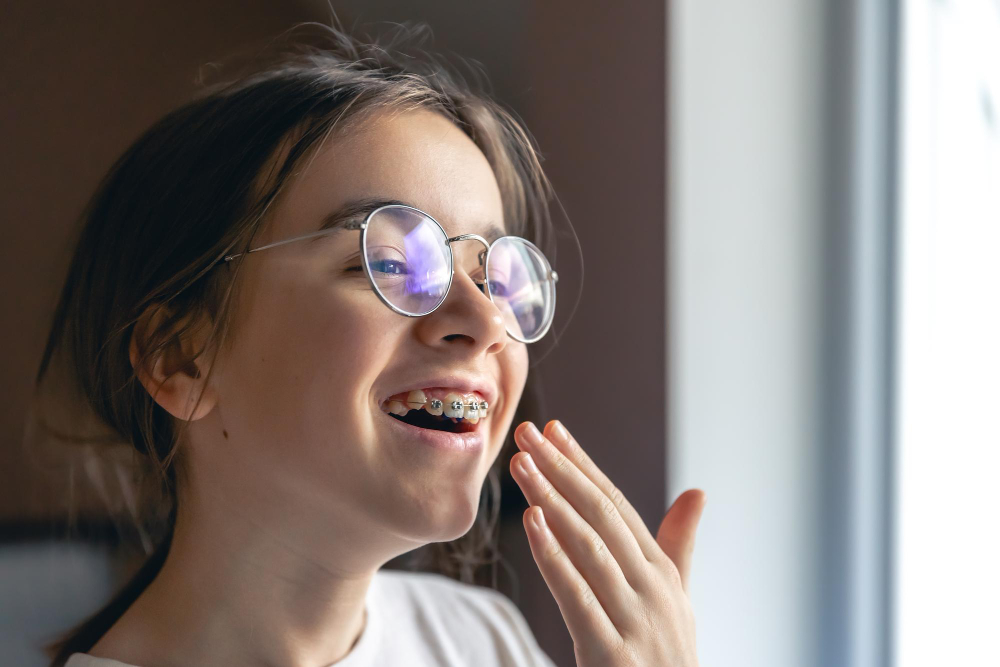
Brushing your teeth is already important. With the added layer of braces, it is often difficult to brush correctly. Thus, it is given a lot of importance. Brushing with braces requires more attention than usual. It’s recommended to brush after every meal and at least twice a day.
It is important to focus on each tooth individually and to brush for at least two minutes. Electric toothbrushes can be especially effective for braces maintenance, as they help remove plaque from hard-to-reach areas.
Food Consumption
Certain foods can damage brackets and wires or make cleaning difficult. Thus some food is important to avoid while having braces. Sticky, hard, crunchy and chewy food should generally be avoided.
Gums, toffee, chips and even ice can get stuck in your braces and damage the brackets. Choose foods that are gentle on braces and easy to chew, such as fruits and soft vegetables.
Cutting food into small pieces helps reduce pressure on brackets and wires.
Habits and Hobbies
Certain habits can damage braces and delay treatment, including nail biting and teeth grinding. It is important to try and limit these habits as much as possible to make sure your braces are not damaged.
If you are someone who plays sports, wearing a custom or orthodontic mouthguard is essential. Mouthguards protect both your braces and your teeth from injury.
Regular Check Ups
Routine check-ups allow your orthodontist to adjust your braces and monitor progress. Skipping appointments can slow down treatment and lead to complications.
During visits, orthodontists also check for signs of poor braces maintenance, such as plaque buildup or gum inflammation, and provide guidance to improve care.
In case your braces, wires or brackets get damaged your orthodontist will help you fix it. It is important to take prompt action that prevents further damage and keeps your treatment progress smooth.
Post-Braces Care
Once braces are removed, maintenance doesn’t stop. Retainers are essential for keeping teeth in their new positions.
After your braces are removed it is essential that you wear retainers as instructed by your orthodontist. Further, it is important to continue having excellent oral health and practicing healthy habits like brushing properly and flossing.
Conclusion
Braces maintenance and care play a vital role in achieving a straight, healthy smile. From daily brushing and flossing to smart food choices and regular orthodontic visits, every step contributes to successful treatment outcomes. While braces require extra effort, the long-term benefits far outweigh the temporary inconvenience.
By following the tips outlined in this guide, you can protect your oral health, avoid common complications, and enjoy a smooth orthodontic journey that leads to a confident smile you’ll be proud of for years to come.
FAQs
- How often should I brush my teeth with braces?
You should brush your teeth after every meal and at least twice a day, focusing on each tooth individually and spending at least two minutes brushing.
- Can I eat normally with braces?
While most foods are safe, it’s best to avoid sticky, hard, chewy, or crunchy foods that can damage brackets or wires. Soft fruits, vegetables, and properly cut meals are braces-friendly.
- What should I do if a wire or bracket breaks?
Cover any sharp edges with orthodontic wax and contact your orthodontist promptly. Avoid trying to fix it yourself to prevent further damage.
- Do adults need to care for braces differently than teens?
The care principles are similar, but adults may face extra challenges like gum sensitivity or pre-existing dental restorations, making meticulous hygiene especially important.
- Is post-braces care necessary?
Yes! Wearing retainers as instructed and continuing proper oral hygiene is essential to maintain your straightened teeth and prevent misalignment after braces removal.
Articles You Might Like
Facial aging is a natural part of life, but modern aesthetic medicine offers effective ways to restore a youthful appearance without undergoing surgery. Today, non-surgical facelift treatments can lift sagging skin, improve facial contours, and stimulate collagen production—all with minimal...

What is Salmon DNA Treatment? Salmon DNA treatment, also known as Polynucleotide (PN) Therapy or PDRN (Polydeoxyribonucleotide) Therapy, is an advanced regenerative skin treatment designed to repair, hydrate, and rejuvenate the skin from within. Derived from highly purified salmon DNA,...
Why HydraFacial Has Become One of the World’s Most Popular Facial Treatments Healthy, radiant skin is no longer a luxury—it’s an essential part of self-care and confidence. Among the many facial treatments available today, HydraFacial has become one of the...
Endosphere Therapy: The Non-Invasive Solution for Smoother Skin, Better Circulation, and Body Contouring
What Is Endosphere Therapy? Endosphere Therapy is an advanced non-invasive treatment that uses a unique technology called Compressive Microvibration® to stimulate the skin, connective tissues, muscles, and lymphatic system. The treatment is performed using a specialized device equipped with a...
Hair is often one of the first features people notice about us. When hair begins to thin, shed excessively, or lose its density, it can affect not only our appearance but also our confidence and self-esteem. Hair loss is a...
Subscribe to blog via email
Signup now to receive our monthly blog
Articles you might like
Non-Surgical Facelift Treatment : Achieve a Naturally Youthful Appearance Without Surgery
Facial aging is a natural part of life, but modern aesthetic medicine offers effective ways to restore a youthful appearance without undergoing surgery. Today, non-surgical facelift treatments can lift sagging skin, improve facial contours, and stimulate collagen production—all with minimal...
Articles you might like
Salmon DNA Treatment: The Next Generation of Skin Rejuvenation
What is Salmon DNA Treatment? Salmon DNA treatment, also known as Polynucleotide (PN) Therapy or PDRN (Polydeoxyribonucleotide) Therapy, is an advanced regenerative skin treatment designed to repair, hydrate, and rejuvenate the skin from within. Derived from highly purified salmon DNA,...
Articles you might like
HydraFacial: The Secret to Healthy, Glowing Skin All Year Round
Why HydraFacial Has Become One of the World’s Most Popular Facial Treatments Healthy, radiant skin is no longer a luxury—it’s an essential part of self-care and confidence. Among the many facial treatments available today, HydraFacial has become one of the...
Articles you might like
Endosphere Therapy: The Non-Invasive Solution for Smoother Skin, Better Circulation, and Body Contouring
What Is Endosphere Therapy? Endosphere Therapy is an advanced non-invasive treatment that uses a unique technology called Compressive Microvibration® to stimulate the skin, connective tissues, muscles, and lymphatic system. The treatment is performed using a specialized device equipped with a...
Articles you might like
Hair Filler: A Scientifically Advanced Approach to Hair Restoration and Hair Rejuvenation
Hair is often one of the first features people notice about us. When hair begins to thin, shed excessively, or lose its density, it can affect not only our appearance but also our confidence and self-esteem. Hair loss is a...
Articles you might like
NAD+ IV Therapy: A Modern Approach to Energy, Wellness, and Healthy Aging
Feeling constantly tired, struggling with brain fog, finding it difficult to focus, or simply not feeling at your best? Many people experience a gradual decline in energy, mental clarity, and overall wellbeing due to the demands of modern life. Stress,...
Articles you might like
Endolift by Laser Mar 1500
You have tried the creams. You have explored the facials. You have been consistent with your skincare routine. Yet somehow, the mirror still tells a different story. The jawline is not as sharp as it once was. The skin feels...
Articles you might like
The Best Skin Tightening Treatment: Morpheus8 Explained
As the skin ages, it naturally starts to lose collagen and elastin, resulting in looser and sagging skin. Collagen and elastin are known as the building blocks behind firm and youthful skin. Skin becoming loose and saggy is a very...

Articles you might like
Skin Booster Vs Filler: What’s The Real Difference?
One of the biggest trends in the beauty industry today are treatments that eliminate signs of aging. Nowadays, these treatments that offer skin rejuvenation without surgeries are becoming increasingly popular and people often find themselves confused between two treatments specifically;...

Articles you might like
Is IV Drip Therapy Worth It? Benefits, Costs And What To Expect
The aesthetics industry has evolved heavily as people have started turning to treatments to rejuvenate their skin. Many clinics offer a large variety of skin rejuvenating treatments and recently, IV drip therapy has been gaining popularity. IV drip therapy is...

Book An Appointment
Please provide your details below and member of our team will be in touch shortly
