


Getting A Dental Crown: Is It Worth It?

A healthy smile is seen as a reflection of one’s confidence and hygiene. But when a tooth becomes damaged or worn out, restoring your smile can become more than just a cosmetic decision. It is a necessity for the function of your oral structure.
That is where dental crowns come in. Getting a dental crown is one of the most common restorative procedures in dentistry today. But one may ask: is getting a dental crown really worth it?
To answer this question, we must first dive into the basics of the procedure. What exactly are dental crowns? Why are they recommended? What benefits do they offer? This article will delve into all of these questions and make sure that you are well informed about this popular restorative procedure.
What Are Dental Crowns?
A dental crown is a custom cap placed over a tooth to restore its strength, shape and appearance. Dental crowns are usually recommended when a tooth is too weak to support filling, veneers or bonding.
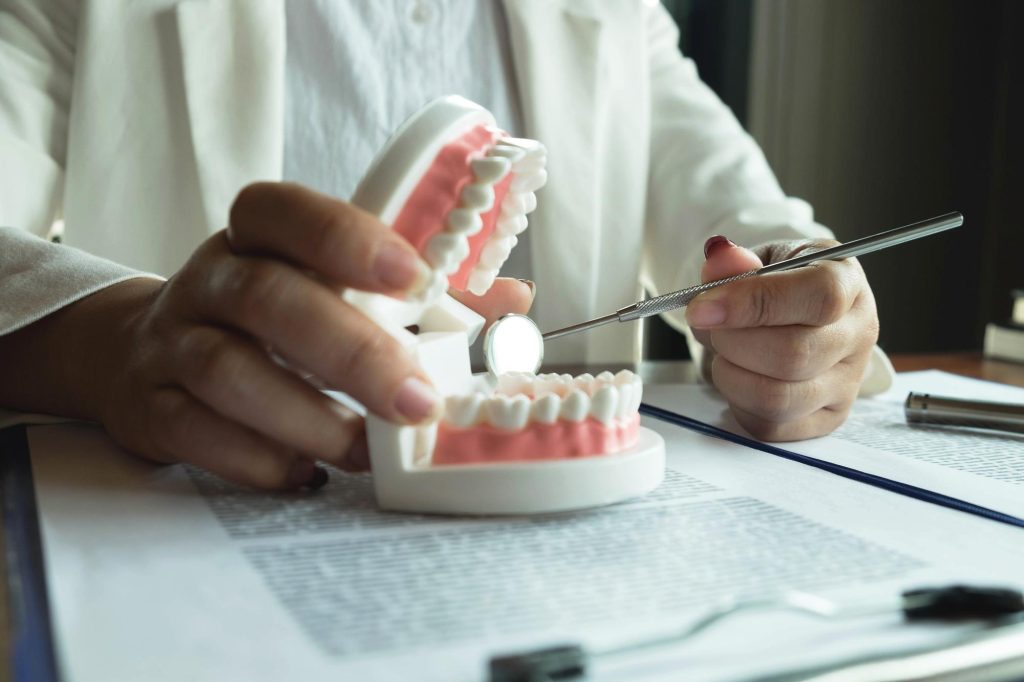
Dental crowns are made from materials such as metal, ceramic, porcelain or a combination of materials. These materials can be custom selected based on the patients needs and aesthetic preferences.
When To Get A Dental Crown?
Dental crowns aren’t treatments for minor issues. They are recommended by dentists only under extreme conditions. If you are someone with a cracked or severely damaged tooth, getting a dental crown would be ideal.
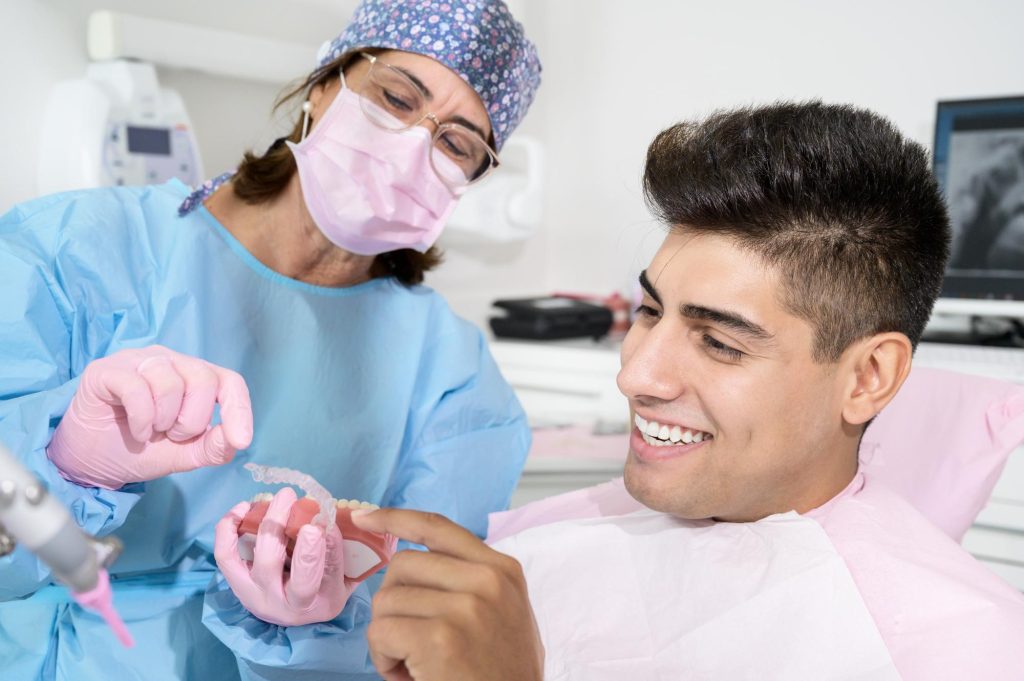
In other cases, people who go through root canal therapy, or have big cavaties may also need dental crowns to support their teeth. Other instances include if you have a broken or missing tooth, a crown can help support dental implants and restore alignment and functionality to your mouth.
Is Getting A Dental Crown Worth It?
1. Restores Strength and Function
One of the biggest advantages of dental crowns is the protection they offer. A weakened tooth can easily break further, leading to pain, infection, and costly emergency treatments. A crown acts like a shield, allowing you to chew normally without fear of damaging the tooth.
2. Long-Lasting Durability
When maintained properly, crowns can last 10–15 years, and in many cases even longer. Materials like zirconia and porcelain-fused-to-metal are extremely strong and can withstand everyday chewing forces. While they require an investment upfront, their long lifespan often makes them more cost-effective compared to repeated repairs.
3. Natural, Beautiful Appearance
Modern crowns are designed to blend seamlessly with the rest of your teeth. Porcelain and zirconia crowns, in particular, reflect light the way natural enamel does. This makes them ideal for front teeth or anyone looking for a highly aesthetic result.
4. Improved Oral Health
When decay or cracks extend deep into the tooth, bacteria can enter and cause infection. A crown protects the tooth from further damage and helps preserve its healthy structure. In many cases, placing a crown prevents the need for more invasive procedures like extractions or implants down the line.
5. Boosts Confidence
A damaged or discolored tooth can detract from your smile and your self-esteem. A well-made crown can correct shape, size, alignment, and color—instantly improving your appearance and confidence.
Risks and Downsides
Like with any cosmetic or medical procedure, there will be risks and downsides. While dental crowns offer many benefits, they may not be suitable for everyone.
- Higher Costs
Crowns are more expensive than basic restorative treatments because of the materials, lab work, and skill required. However, they also offer superior strength and longevity.
- Temporary sensitivity
Initially, you may notice soreness and sensitivity in your teeth after getting a dental crown. However, this is very temporary and can fade overtime
- Dental Crowns Can Wear Down
This is very rare, but over time dental crowns may loosen or chip. This is easily avoidable with proper care.
Final Thoughts
While there are some risks associated with dental crowns, ultimately they are absolutely worth it for people looking to restore their smile to its original appearance. Choosing to get a dental crown depends on your dental condition, goals, and budget.
But when recommended by a trusted dentist, crowns are one of the most valuable and long-lasting investments you can make for your oral health. They offer the perfect balance of strength, function, and natural beauty – helping you maintain a smile that feels great and looks even better.
FAQS
- How long do dental crowns typically last?
With proper care, dental crowns usually last 10–15 years, and some can last even longer depending on the material and oral hygiene.
- Are dental crowns painful to get?
No. The procedure is done under local anesthesia, so you shouldn’t feel pain. Mild sensitivity afterward is normal and temporary.
- What materials are best for dental crowns?
Zirconia and porcelain crowns are preferred for their strength and natural appearance. Metal crowns are more durable but less aesthetic.
- Can dental crowns fall off?
While rare, crowns may loosen due to wear, decay, or adhesive failure. A dentist can re-cement or replace them easily if this occurs.
- Are dental crowns worth the cost?
Yes, especially when a tooth is severely damaged. Crowns restore function, protect the tooth, improve aesthetics, and prevent future costly treatments.
Articles You Might Like
Facial aging is a natural part of life, but modern aesthetic medicine offers effective ways to restore a youthful appearance without undergoing surgery. Today, non-surgical facelift treatments can lift sagging skin, improve facial contours, and stimulate collagen production—all with minimal...

What is Salmon DNA Treatment? Salmon DNA treatment, also known as Polynucleotide (PN) Therapy or PDRN (Polydeoxyribonucleotide) Therapy, is an advanced regenerative skin treatment designed to repair, hydrate, and rejuvenate the skin from within. Derived from highly purified salmon DNA,...
Why HydraFacial Has Become One of the World’s Most Popular Facial Treatments Healthy, radiant skin is no longer a luxury—it’s an essential part of self-care and confidence. Among the many facial treatments available today, HydraFacial has become one of the...
Endosphere Therapy: The Non-Invasive Solution for Smoother Skin, Better Circulation, and Body Contouring
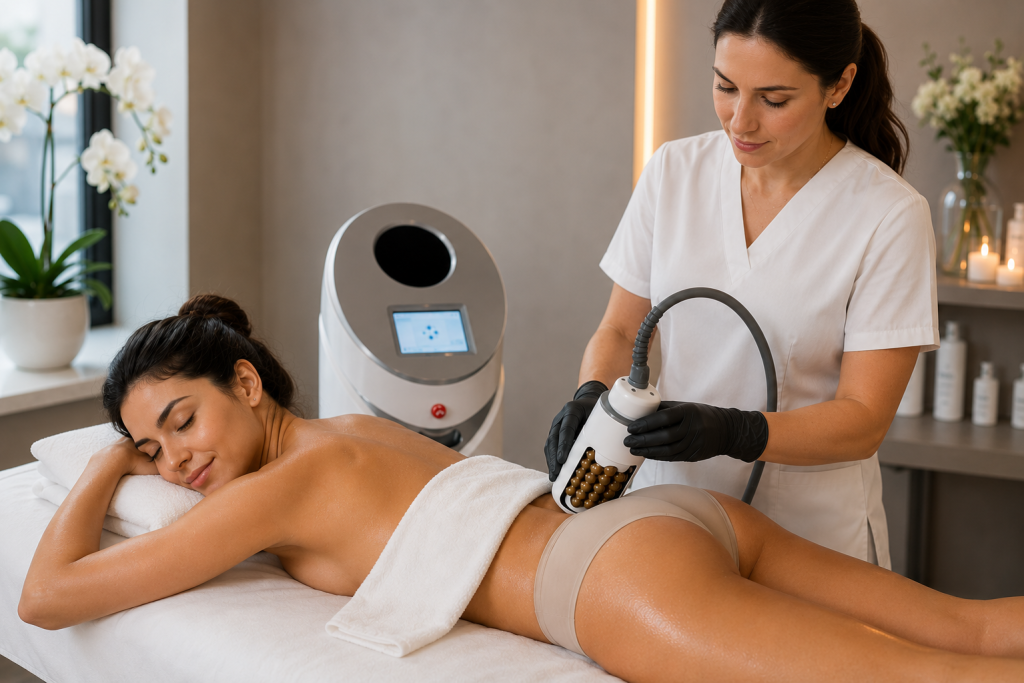
What Is Endosphere Therapy? Endosphere Therapy is an advanced non-invasive treatment that uses a unique technology called Compressive Microvibration® to stimulate the skin, connective tissues, muscles, and lymphatic system. The treatment is performed using a specialized device equipped with a...
Hair is often one of the first features people notice about us. When hair begins to thin, shed excessively, or lose its density, it can affect not only our appearance but also our confidence and self-esteem. Hair loss is a...
Subscribe to blog via email
Signup now to receive our monthly blog
Articles you might like
Non-Surgical Facelift Treatment : Achieve a Naturally Youthful Appearance Without Surgery
Facial aging is a natural part of life, but modern aesthetic medicine offers effective ways to restore a youthful appearance without undergoing surgery. Today, non-surgical facelift treatments can lift sagging skin, improve facial contours, and stimulate collagen production—all with minimal...
Articles you might like
Salmon DNA Treatment: The Next Generation of Skin Rejuvenation
What is Salmon DNA Treatment? Salmon DNA treatment, also known as Polynucleotide (PN) Therapy or PDRN (Polydeoxyribonucleotide) Therapy, is an advanced regenerative skin treatment designed to repair, hydrate, and rejuvenate the skin from within. Derived from highly purified salmon DNA,...
Articles you might like
HydraFacial: The Secret to Healthy, Glowing Skin All Year Round
Why HydraFacial Has Become One of the World’s Most Popular Facial Treatments Healthy, radiant skin is no longer a luxury—it’s an essential part of self-care and confidence. Among the many facial treatments available today, HydraFacial has become one of the...
Articles you might like
Endosphere Therapy: The Non-Invasive Solution for Smoother Skin, Better Circulation, and Body Contouring
What Is Endosphere Therapy? Endosphere Therapy is an advanced non-invasive treatment that uses a unique technology called Compressive Microvibration® to stimulate the skin, connective tissues, muscles, and lymphatic system. The treatment is performed using a specialized device equipped with a...
Articles you might like
Hair Filler: A Scientifically Advanced Approach to Hair Restoration and Hair Rejuvenation
Hair is often one of the first features people notice about us. When hair begins to thin, shed excessively, or lose its density, it can affect not only our appearance but also our confidence and self-esteem. Hair loss is a...
Articles you might like
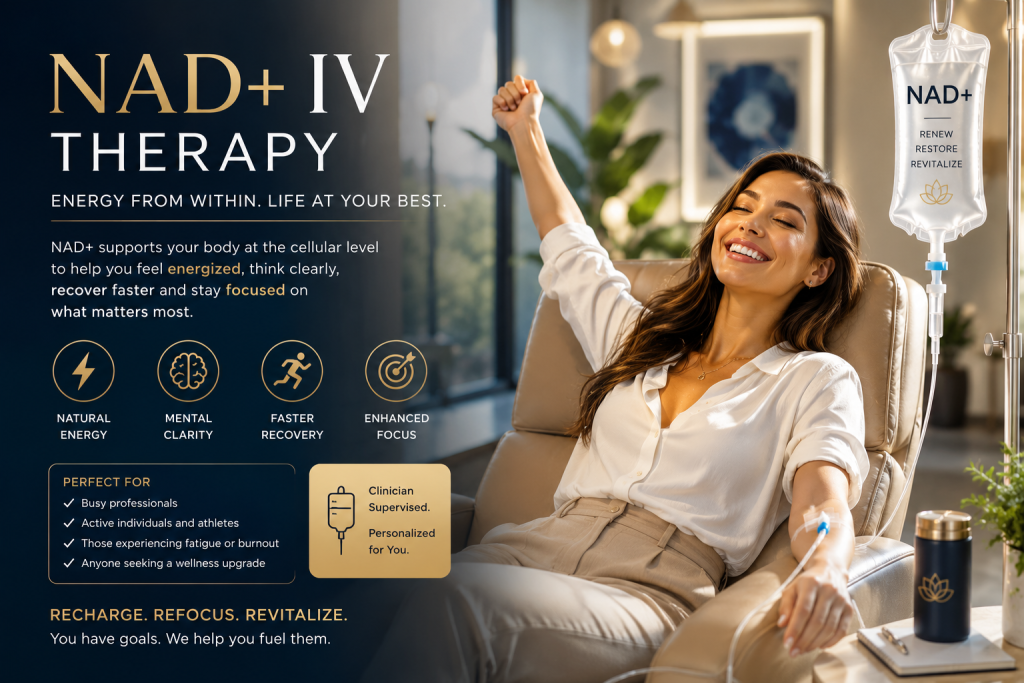
NAD+ IV Therapy: A Modern Approach to Energy, Wellness, and Healthy Aging
Feeling constantly tired, struggling with brain fog, finding it difficult to focus, or simply not feeling at your best? Many people experience a gradual decline in energy, mental clarity, and overall wellbeing due to the demands of modern life. Stress,...
Articles you might like
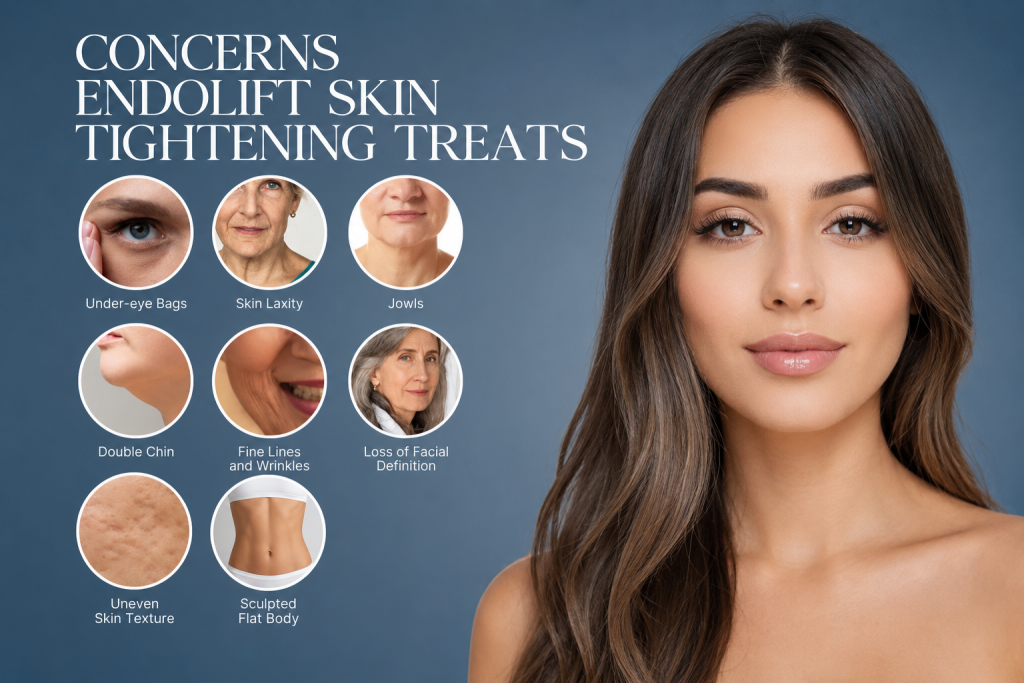
Endolift by Laser Mar 1500
You have tried the creams. You have explored the facials. You have been consistent with your skincare routine. Yet somehow, the mirror still tells a different story. The jawline is not as sharp as it once was. The skin feels...
Articles you might like
The Best Skin Tightening Treatment: Morpheus8 Explained
As the skin ages, it naturally starts to lose collagen and elastin, resulting in looser and sagging skin. Collagen and elastin are known as the building blocks behind firm and youthful skin. Skin becoming loose and saggy is a very...

Articles you might like
Skin Booster Vs Filler: What’s The Real Difference?
One of the biggest trends in the beauty industry today are treatments that eliminate signs of aging. Nowadays, these treatments that offer skin rejuvenation without surgeries are becoming increasingly popular and people often find themselves confused between two treatments specifically;...

Articles you might like
Is IV Drip Therapy Worth It? Benefits, Costs And What To Expect
The aesthetics industry has evolved heavily as people have started turning to treatments to rejuvenate their skin. Many clinics offer a large variety of skin rejuvenating treatments and recently, IV drip therapy has been gaining popularity. IV drip therapy is...

Book An Appointment
Please provide your details below and member of our team will be in touch shortly
