


PCOS vs. Endometriosis: How to Tell the Difference
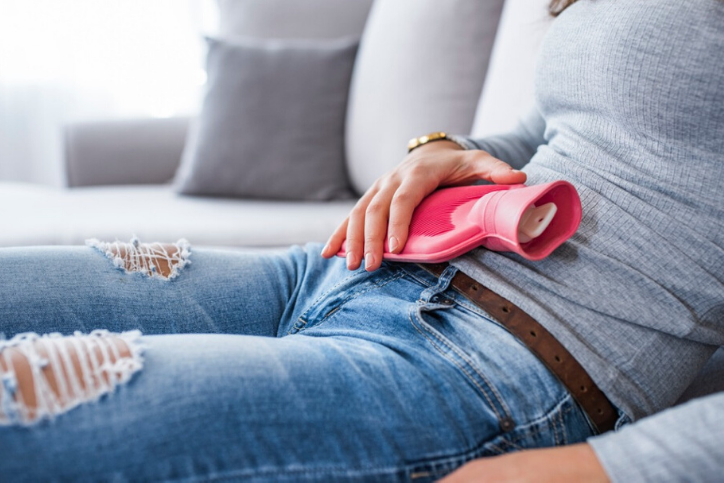
Polycystic ovary syndrome (PCOS) and endometriosis are two common conditions that affect women of reproductive age. Both can impact your menstrual cycle and fertility. But despite a few similarities, they are very different in how they affect the body, what causes them, and how they are treated.
Knowing the differences is important for early diagnosis and proper care. In this article, we’ll explain the key differences between PCOS and endometriosis, their symptoms, causes, diagnoses, and treatment options.
What Are PCOS and Endometriosis?
PCOS is a hormonal condition that affects how the ovaries work. It is marked by irregular periods, high levels of male hormones (androgens), and sometimes small cysts on the ovaries.
Endometriosis happens when tissue that behaves like the lining of the uterus starts to grow outside of it. This can lead to pain, inflammation, and fertility problems.
While both can affect fertility and cause menstrual changes, they develop differently in the body and often show different symptoms.
Symptoms
Some symptoms of PCOS and endometriosis can overlap, like heavy periods or trouble getting pregnant. But most of the signs are different.
Common symptoms of PCOS:
- Irregular or missed periods
- Oily skin or acne
- Hair thinning or hair loss on the scalp
- Unwanted hair growth on the face or body (hirsutism)
- Weight gain, especially around the abdomen
- Difficulty getting pregnant
- Dark patches of skin, often around the neck or underarms
Common symptoms of endometriosis:
- Painful periods that get worse over time
- Pain during or after sex
- Pelvic pain before or during periods
- Pain while urinating or during bowel movements (often around your period)
- Fatigue or low energy
- Digestive issues, like bloating or nausea
- Heavy menstrual bleeding
- Bleeding between periods
- Trouble getting pregnant
It’s possible to have either condition without strong symptoms. That’s why it often takes time to get a proper diagnosis.
How Common Are They?
Both conditions are common among women of reproductive age (roughly between ages 12 to 52).
- PCOS affects about 5-20% of women of childbearing age, depending on how it’s diagnosed. It is one of the main causes of ovulation-related infertility.
- Endometriosis is estimated to affect 10-15% of women and up to 70% of those who have chronic pelvic pain.
What Causes PCOS and Endometriosis?
The causes are still being studied, but there are some known risk factors and possible explanations.
Causes of PCOS:
- Hormonal imbalance: Higher levels of androgens affect ovulation.
- Insulin resistance: The body struggles to use insulin properly, which can raise insulin levels and increase androgen production.
- Inflammation: Ongoing inflammation in the body may play a role.
- Family history: Having a close relative with PCOS may increase your risk.

Hormonal imbalances from PCOS can affect periods, weight, and fertility.
Causes of Endometriosis:
- Retrograde menstruation: Menstrual blood flows backward through the fallopian tubes into the pelvic area.
- Immune system issues: A weak immune system may fail to clear the misplaced tissue.
- Surgical history: Uterine lining cells may attach to surgical scars after operations like a C-section.
- Cell transformation: Some cells outside the uterus may turn into cells that act like endometrial tissue.
- Genetics: Family history may increase the chances.
Can You Have Both?
Yes. Some women are diagnosed with both PCOS and endometriosis. Studies have shown that women with PCOS may be more likely to also develop endometriosis, especially if they are dealing with fertility problems or chronic pelvic pain.
The hormonal imbalance in PCOS may raise estrogen levels, which might contribute to the development of endometriosis.
Diagnosing PCOS and Endometriosis
Diagnosis usually starts with a full medical history, a discussion of symptoms, and a physical exam. Your doctor may order further tests based on what they find.
Diagnosing PCOS:
- Medical history: Family history and past symptoms matter.
- Pelvic exam: To check for enlarged ovaries or other signs.
- Ultrasound: Helps check for ovarian cysts and endometrial thickness.
- Blood tests: To check hormone levels, blood sugar, and insulin resistance.
Diagnosing Endometriosis:
- Medical history: Your doctor may ask about pain patterns and family history.
- Pelvic exam: To check for tender areas or scar tissue.
- Imaging: Ultrasound or MRI may show growths, but not always.
- Laparoscopy: This is the only way to confirm endometriosis. A small camera is inserted through a minor cut in the abdomen to look for abnormal tissue growth.
Treatment: How Are They Managed?
Treatment depends on symptoms, age, and whether you are trying to get pregnant.
PCOS Treatment:
- Medications for ovulation: These help trigger regular ovulation if you’re trying to conceive.
- Birth control pills: Help regulate periods and reduce androgens.
- Insulin-sensitizing drugs: These may improve insulin use and lower male hormone levels.
- Acne and hair treatments: For skin or hair-related symptoms.
- Lifestyle changes: Weight loss through a healthy diet and regular exercise often improves symptoms and hormone balance.
- Ovarian drilling: A surgical option to reduce androgen-producing tissue if medications don’t work.
Endometriosis Treatment:
- Hormone therapy: Birth control pills or other hormone drugs may slow the growth of endometrial tissue.
- Pain relief: Over-the-counter or prescription medications help manage pain.
- Surgery: Removal of endometrial growths can relieve pain and improve fertility.
- Hysterectomy: May be recommended in severe cases if other treatments don’t help and pregnancy is not a goal.
- Lifestyle changes: A well-balanced diet, stress management, and light exercise can ease some symptoms.

Endometriosis may make pregnancy harder, but not impossible.
When Should You See a Doctor?
It’s a good idea to talk to a gynecologist if you notice:
- Ongoing pelvic pain
- Irregular or missing periods
- Bleeding between periods
- Pain during sex
- Unexplained difficulty getting pregnant
- Hair thinning or unusual hair growth
- Sudden weight changes or acne that won’t go away
Early diagnosis can improve quality of life and lower the risk of long-term problems. If needed, your gynecologist may refer you to a hormone specialist (endocrinologist).
Final Thoughts
PCOS and endometriosis both affect the reproductive system, but they are not the same. PCOS is caused by hormone imbalances, while endometriosis involves tissue growing outside the uterus. Each condition has unique symptoms, risks, and treatment options.
Getting the right diagnosis is important. Don’t ignore the above-mentioned signs. A clear diagnosis can lead to better treatment and improved well-being.
Looking for Answers About PCOS or Endometriosis?
At The Practice Poly Clinic, our gynecology team offers clear, supportive care for hormonal and reproductive health issues. So, if you’re seeking answers about your cycle, fertility, or long-term symptoms, we’re here to help. Book your consultation today and get the support you deserve.
Articles You Might Like

As the skin ages, it naturally starts to lose collagen and elastin, resulting in looser and sagging skin. Collagen and elastin are known as the building blocks behind firm and youthful skin. Skin becoming loose and saggy is a very...

One of the biggest trends in the beauty industry today are treatments that eliminate signs of aging. Nowadays, these treatments that offer skin rejuvenation without surgeries are becoming increasingly popular and people often find themselves confused between two treatments specifically;...

The aesthetics industry has evolved heavily as people have started turning to treatments to rejuvenate their skin. Many clinics offer a large variety of skin rejuvenating treatments and recently, IV drip therapy has been gaining popularity. IV drip therapy is...

One of the most popular orthodontic treatments for getting a straighter, healthier smile is braces. Whether you are someone who is insecure about misalignment in your teeth, or you are a concerned parent with children who have crooked smiles, braces...

A good, aesthetically pleasing smile is the key to living a confident lifestyle. It is often said that the smile is the window to the soul and it can have a powerful impact on how you perceive yourself, how you...
Subscribe to blog via email
Signup now to receive our monthly blog
Articles you might like
The Best Skin Tightening Treatment: Morpheus8 Explained
As the skin ages, it naturally starts to lose collagen and elastin, resulting in looser and sagging skin. Collagen and elastin are known as the building blocks behind firm and youthful skin. Skin becoming loose and saggy is a very...
Articles you might like
Skin Booster Vs Filler: What’s The Real Difference?
One of the biggest trends in the beauty industry today are treatments that eliminate signs of aging. Nowadays, these treatments that offer skin rejuvenation without surgeries are becoming increasingly popular and people often find themselves confused between two treatments specifically;...
Articles you might like
Is IV Drip Therapy Worth It? Benefits, Costs And What To Expect
The aesthetics industry has evolved heavily as people have started turning to treatments to rejuvenate their skin. Many clinics offer a large variety of skin rejuvenating treatments and recently, IV drip therapy has been gaining popularity. IV drip therapy is...
Articles you might like
Braces Maintenance And Care: Everything You Need To Know
One of the most popular orthodontic treatments for getting a straighter, healthier smile is braces. Whether you are someone who is insecure about misalignment in your teeth, or you are a concerned parent with children who have crooked smiles, braces...
Articles you might like
What Is A Smile Makeover? A Complete Guide
A good, aesthetically pleasing smile is the key to living a confident lifestyle. It is often said that the smile is the window to the soul and it can have a powerful impact on how you perceive yourself, how you...
Articles you might like
Lip Fillers In Dubai: What To Expect?
Many people these days are looking for ways that they can enhance their features and achieve aesthetic fullness to their face. Lip fillers have been a popular cosmetic alteration for people who want to enhance their features naturally. If you...

Articles you might like
A Complete Guide to Mesotherapy Injections
Are you struggling with achieving the youthful glow your skin once had? Or are you worried about your hair thinning? As you age, your body goes through many changes that affect your overall appearance. Your skin may start showing signs...

Articles you might like
Getting A Dental Crown: Is It Worth It?
A healthy smile is seen as a reflection of one’s confidence and hygiene. But when a tooth becomes damaged or worn out, restoring your smile can become more than just a cosmetic decision. It is a necessity for the function...

Articles you might like
Your Guide To Dermal Filler Injections
Aging gracefully doesn’t mean losing your glow. Thanks to modern aesthetics, dermal filler injections make it easier than ever to restore youthful volume and refresh your skin, all without surgery. Whether you’re looking to enhance your lips, smooth wrinkles, or...

Articles you might like
The Secret to Glowing Skin and Hair
Introduction What if your own blood held the secret to glowing skin and thicker hair?That’s exactly what PRP treatment in Dubai offers – a natural rejuvenation therapy that uses your body’s healing power to renew your skin and restore your...

Book An Appointment
Please provide your details below and member of our team will be in touch shortly
